
 Lets Talk
TL;DR
- MVP UX Design focuses on building a simple, user-centered product that solves a core problem.
- It prioritizes essential features to validate ideas quickly without wasting time or resources.
- Continuous testing and iteration help improve the user experience based on real feedback.
- Data-driven decisions ensure the product aligns with actual user behavior and needs.
- Tracking key metrics like activation, retention, and engagement drives faster product-market fit.
Introduction
In the early stages of product development, success depends on how quickly and effectively you can validate your idea with real users. This is where MVP UX Design plays a critical role. Instead of investing time and resources into building a fully-featured product, businesses focus on designing a simple, user-centered experience that delivers core value and gathers actionable feedback.
A well-executed MVP UX Design helps teams understand user behavior, identify usability issues, and refine the product before scaling. It ensures that every design decision is aligned with actual user needs rather than assumptions. By prioritizing clarity, simplicity, and usability, companies can reduce risk, improve adoption, and move closer to product-market fit. To gain a deeper understanding of the overall process, you can explore this comprehensive MVP development guide.
In this guide, we will explore the key principles, proven methods, and essential metrics that define effective MVP UX Design, helping you build products that are not only functional but truly valuable to users.
What is MVP UX Design?
MVP UX Design is the process of designing the user experience for a Minimum Viable Product (MVP), focusing on delivering core value through minimal features. Unlike traditional UX design, which often emphasizes visual polish and completeness, MVP UX Design prioritizes:
- Speed – quickly validate ideas with real users.
- Simplicity – include only essential functionality to solve the primary problem.
- Learning – gather actionable feedback for iterative improvement.
This approach helps startups avoid overbuilding, ensures alignment with real user needs, and lays a strong foundation for long-term product success.
For a deeper understanding, see our guide on what MVP means in business to learn how MVPs validate ideas before full-scale development.
Why MVP UX Design is Critical for Startup Success
MVP UX Design plays a crucial role in reducing the risk of product failure. Many startups fail because they build products without validating real user needs. Following proven approaches like MVP development for tech startups ensures ideas are tested and refined early. A well-designed MVP aligns the product with user expectations from the very beginning.
Key Benefits:
- Cost Efficiency: Focus only on essential features, reducing development time and expenses.
- Faster Product-Market Fit: Continuous testing and iteration identify what works early.
- Data-Driven Decisions: User feedback guides smarter product and design choices.
- Reduced Risk of Failure: Validate ideas early to avoid building unnecessary features.
- Better Engagement & Retention: A focused UX improves user adoption and long-term use.
Examples
- Airbnb: Validated home-sharing concept with a simple website before scaling.
- Dropbox: Tested core functionality with a prototype video to gather early feedback.
Core Principles of MVP UX Design
MVP UX Design focuses on building simple, user-centered experiences by prioritizing real user needs, continuous feedback, and data-driven improvements.
User-Centric Design Approach
The foundation of MVP UX Design lies in deeply understanding the user. This involves identifying real problems through research methods such as interviews, surveys, and observation.
By focusing on genuine pain points and leveraging the importance of user feedback in MVP, teams can ensure the product is built around actual user needs rather than assumptions.
Simplicity and Focus
An MVP should include only the features necessary to solve the core problem. Adding unnecessary functionality can complicate the user experience and delay validation. A focused approach helps users quickly understand and interact with the product.
Rapid Iteration and Feedback Loops
MVP UX Design relies on continuous improvement. Following the Build-Measure-Learn loop in startups allows teams to build, test, and refine ideas quickly based on real insights. Frequent iterations enable faster learning and more effective product improvements.
Data-Driven UX Decisions
Decisions should be based on real data rather than assumptions. Analytics tools, user behavior tracking, and feedback mechanisms provide valuable insights into how users interact with the product, helping guide smarter design improvements.
Usability and Accessibility
Even a minimal product must be easy to use. Clear navigation, intuitive interfaces, and responsive design are essential. Accessibility considerations ensure the product can be used by a wider audience, improving overall usability and experience.
MVP UX Design Process (Step-by-Step Framework)
A structured approach to designing, testing, and refining MVP UX ensures faster validation and better alignment with real user needs.
Define the Problem and Target Audience
The first step is to clearly define the problem your product aims to solve and identify the right target users. This ensures that your MVP is built around real needs rather than assumptions.
- Identify the core problem to solve
- Define target users and segments
- Create user personas
- Understand user goals and pain points
Map User Journeys
User journey mapping helps visualize how users interact with your product from start to finish. It highlights key touchpoints and uncovers friction areas.
- Outline user flow from entry to goal
- Identify key touchpoints
- Detect friction and drop-off points
- Improve overall user experience
Create Wireframes
Wireframes provide a basic layout of your product, focusing on structure and functionality rather than design details. They help validate ideas quickly.
- Build low-fidelity layouts
- Structure content and features
- Focus on usability over visuals
- Enable quick feedback and iteration
Build Interactive Prototypes
Interactive prototypes simulate real user interactions, allowing teams to test functionality before development begins.
- Create clickable prototypes
- Test user flows and navigation
- Validate design concepts early
- Reduce development risks
Conduct Usability Testing
Testing with real users provides valuable insights into how the product performs in real scenarios. Applying effective MVP testing strategies helps identify issues early.
- Test with real users
- Observe user behavior and challenges
- Identify usability issues
- Validate assumptions with data
Iterate and Improve
Iteration is key to MVP success. Based on feedback and data, continuously refine the product to improve usability and performance.
- Analyze user feedback
- Improve based on data insights
- Fix usability issues
- Continuously enhance user experience
Proven MVP UX Design Methods
Using the right UX methods helps teams validate ideas faster, reduce risks, and continuously improve the product based on real user insights.
- Lean UX: Focuses on rapid experimentation, collaboration, and continuous user feedback. Closely aligned with how MVP works in Agile development, it enables faster validation through iterative learning.
- Design Sprints: A time-bound process used to solve problems and test ideas quickly, typically within a few days, helping teams make faster and more informed decisions.
- Rapid Prototyping: Involves creating and testing multiple versions of a product in a short time, accelerating learning and reducing development risks.
- A/B Testing: Compares different design variations to determine which performs better, helping optimize specific elements of the user experience.
- Heuristic Evaluation: Reviews the product against established usability principles to identify issues early without requiring extensive user testing.
Key Metrics to Measure MVP UX Success
Tracking the right metrics helps evaluate MVP UX performance, enabling data-driven decisions and continuous improvement for effective product validation.
User Engagement Metrics
Metrics such as session duration and bounce rate indicate how users interact with the product. Higher engagement typically signals that users find the experience valuable and relevant.
Activation Rate
Activation rate measures the percentage of users who complete a key action, such as signing up or creating a profile. It reflects how effectively the product delivers its initial value to new users.
Task Success Rate
This metric evaluates whether users can complete core tasks without confusion or friction. A high task success rate is a strong indicator of usability and intuitive design.
Retention Rate
Retention rate shows how many users return to the product over time. Strong retention indicates that the product consistently delivers value and meets user expectations.
User Feedback and Satisfaction
Qualitative feedback, including surveys and Net Promoter Score (NPS), provides deeper insights into user perceptions, satisfaction, and areas for improvement. Combining this with quantitative data creates a more complete view of UX performance.
Common MVP UX Design Mistakes to Avoid
Avoiding common pitfalls is essential to ensure your MVP delivers value and supports effective product validation.
- Adding Too Many Features: Overloading an MVP with unnecessary features complicates the user experience and delays validation. A focused approach ensures faster learning and better usability.
- Ignoring User Feedback: Overlooking insights from real users can lead to poor product decisions. Understanding the mistakes startups make when building MVPs highlights why continuous feedback is critical for improvement.
- Designing Based on Assumptions: Relying on assumptions instead of real data often results in ineffective solutions. Validating ideas with actual users ensures better outcomes.
- Skipping Usability Testing: Without proper testing, usability issues can go unnoticed, negatively impacting the overall user experience.
- Poor Onboarding Experience: A confusing onboarding process can reduce user engagement. Clear and simple onboarding helps users understand and adopt the product quickly.
How MVP UX Design Drives Product-Market Fit
An effective MVP UX plays a crucial role in achieving product-market fit by ensuring the product aligns with real user needs from the very beginning. By validating assumptions early, startups can avoid wasting time and resources on features that do not add value.
Key Ways MVP UX Drives Product-Market Fit
- Validates Assumptions Early: Testing core ideas with real users ensures that features solve actual problems and not just perceived ones.
- Improves Engagement and Retention: A user-centered MVP increases adoption rates and encourages users to return, which are essential indicators of product success.
- Supports Continuous Improvement: Feedback loops and analytics enable iterative enhancements based on real-world usage, helping refine the product efficiently.
- Reduces Risk and Resource Waste: Focusing on essential functionality prevents overbuilding and prioritizes features that matter most to users.
Many successful startups began with minimal features and iterated quickly based on real user behavior. Explore real minimum viable product examples to see how MVP UX drives growth and validation.
Conclusion
MVP UX Design is about learning fast, validating early, and iterating continuously. By focusing on real user needs, simplicity, and data-driven decisions, startups can reduce development risks, avoid building unnecessary features, and deliver products that truly solve core problems. A strong MVP UX approach not only ensures usability but also accelerates the path to product-market fit, helping teams make informed decisions based on actual user behavior.
For startups looking to accelerate their MVP journey, consider our Expert MVP development services to ensure efficient execution, faster validation, and higher chances of building scalable, successful products. This approach can save time, optimize resources, and turn ideas into products that users love.
FAQs
1. What is MVP UX Design?
MVP UX Design is the process of creating a user-centered experience for a Minimum Viable Product, focusing on essential features that deliver core value and validate ideas early with real users.
2. Why is MVP UX Design important for startups?
It reduces development risks, saves time and cost, and helps startups validate assumptions quickly, ensuring products meet real user needs before full-scale development.
3. How does MVP UX help achieve product-market fit?
By testing core features with users, gathering feedback, and iterating continuously, MVP UX ensures the product aligns with user expectations, improving engagement, retention, and adoption.
4. What are common mistakes startups make in MVP UX design?
Startups often overload features, ignore feedback, rely on assumptions, skip usability testing, or create confusing onboarding. Avoiding these mistakes ensures faster validation and better user adoption.
5. How can MVP UX improve product-market fit?
By testing minimal features, tracking engagement, retention, and satisfaction, and iterating quickly, MVP UX ensures the product meets market demands, accelerating product-market fit.
6. What methods are commonly used in MVP UX Design?
Startups use methods like Lean UX, rapid prototyping, design sprints, A/B testing, and heuristic evaluations to quickly validate ideas, gather user feedback, and improve the product iteratively.
7. How much does MVP UX cost for startups?
Costs vary based on product complexity, features, and design requirements. For a detailed breakdown, see our guide on MVP development cost to plan your investment effectively.







 30 mins free Consulting
 10 min read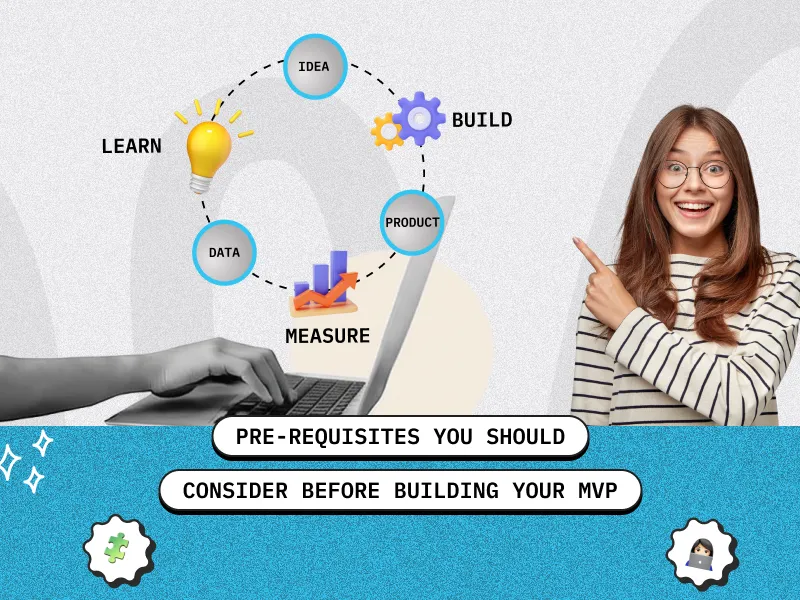

 Canada
 Hong Kong
 Global





 Love we get from the world